



 English
 Chinese
 Japan
Japan German
News

Custom Metal Bending Services: How to Choose the Right Fabrication Partner
Choosing the right fabrication partner for custom metal bending services is more consequential than it may first appear. It’s not simply about finding a vendor who can bend metal to a specified angle; it’s about securing a collaborator who understands your design intent, meets quality expectations, and supports your project from prototype to production. A capable partner can reduce rework, control costs, and help you bring products to market faster.
To begin with, assess the supplier’s technical capabilities and equipment. Modern metal bending relies heavily on advanced machinery such as CNC press brakes, tube benders, and roll bending systems. These technologies enable tighter tolerances, repeatability, and efficiency across production runs. A qualified fabrication partner should be able to handle a wide range of materials, including aluminum, stainless steel, carbon steel, and specialty alloys. Beyond equipment, their engineering expertise matters just as much. A team that understands bend allowances, springback compensation, and material behavior can help refine your design for manufacturability, preventing costly issues later.
Equally important is experience within your specific industry. Different sectors impose different standards and challenges. For example, aerospace and automotive applications often require extremely tight tolerances and strict compliance with quality certifications, while architectural projects may prioritize aesthetics and surface finish. Reviewing past projects or case studies can provide valuable insight into whether a supplier has successfully handled similar requirements. An experienced partner is more likely to anticipate potential risks and propose practical solutions early in the process.
Quality assurance should never be overlooked. A reputable metal bending service provider will have a well-defined quality control system in place, often supported by certifications such as ISO standards. Ask about their inspection methods, including the use of precision measurement tools and documented procedures for verifying dimensions and angles. Consistency across batches is critical, especially for high-volume production. Clear quality benchmarks and traceability help ensure that every component meets your specifications.
Communication and responsiveness are also key factors. Custom fabrication projects often involve iterations, adjustments, and close coordination between design and production teams. A reliable partner will maintain open lines of communication, provide timely updates, and respond quickly to inquiries or concerns. Their willingness to collaborate—offering feedback on design improvements or cost-saving alternatives—can significantly enhance the overall outcome. Poor communication, on the other hand, often leads to misunderstandings, delays, and unnecessary expenses.
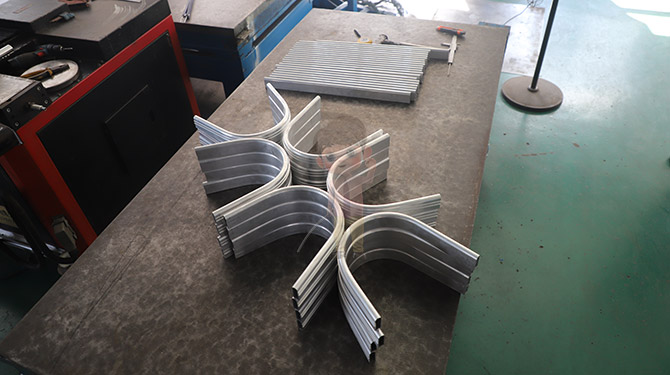
Lead time and production capacity must align with your project schedule. Before committing, confirm the supplier’s ability to meet your deadlines without compromising quality. This includes understanding their current workload, production planning process, and flexibility in handling urgent orders. Some manufacturers offer rapid prototyping or expedited services, which can be valuable during product development stages. However, it is important to balance speed with reliability to avoid rushed work that may affect final quality.
Cost is, of course, a major consideration, but it should be evaluated in context. The lowest quote is not always the best option if it comes at the expense of quality, consistency, or service. A transparent pricing structure—covering materials, labor, tooling, and any additional processes—helps you make informed comparisons. In many cases, a slightly higher upfront cost can lead to long-term savings by reducing defects, delays, and maintenance issues.
Another aspect worth considering is the range of services offered. A full-service fabrication partner who can handle cutting, welding, finishing, and assembly in addition to bending can streamline your supply chain. This reduces the need to coordinate multiple vendors and minimizes the risk of misalignment between processes. Integrated services often lead to better quality control and faster turnaround times.
Finally, evaluate the supplier’s commitment to continuous improvement and customer support. Companies that invest in new technologies, employee training, and process optimization are better positioned to adapt to evolving industry demands. Strong after-sales support, including assistance with troubleshooting or future modifications, reflects a long-term partnership mindset rather than a transactional approach.
In conclusion, choosing the right custom metal bending partner requires a balanced evaluation of technical capability, experience, quality systems, communication, and cost. By taking the time to thoroughly vet potential suppliers, you can build a partnership that not only meets your immediate project needs but also supports your business growth over time.
 LIST
LIST18
2026-04
Number of visitors:1
HOT NEWS
-
Custom Metal Bending Solutions for Industrial Manufacturing
2026-10-14
-
Aluminum Bending Services | Professional Aluminum Profile Bending Solutions
2026-09-30
-
Tensile Bending Explained: How Precision Shapes Complex Metal Profiles
2026-09-16
-
Custom Aluminum Profile Stretch Bending Solutions
2026-09-01